


Healing en Spanglish: Finding Belonging Without Leaving Yourself Behind
Healing doesn’t always happen in one language. For many Latinx people, it happens en Spanglish—between cultures, generations, identities, and expectations. Growing up or living in the Midwest can mean constantly adapting while trying to hold onto where you come from.
Healing means realizing you don’t have to choose one side of yourself over another. You can honor your roots while creating your own space to belong. And maybe, when you’re Latinx in Minnesota, your alebrije isn’t a jaguar or an eagle—it’s a moose. A little unexpected, a little magical, and uniquely yours.

U Visa and VAWA Psychological Evaluations: How a Psychological Evaluation Can Support Your Immigration Case
Learn how U Visa and VAWA psychological evaluations can document the emotional impact of crime, abuse, and extreme cruelty. Sombra Psychotherapy provides compassionate immigration evaluations.

Cómo una evaluación psicológica puede ayudar con una solicitud de visa U o VAWA
Descubra cómo las evaluaciones psicológicas para la visa U y VAWA pueden documentar el impacto emocional de los delitos, el abuso y la crueldad extrema. Sombra Psychotherapy ofrece evaluaciones de inmigración realizadas con empatía y sensibilidad.
Understanding the VAWA and U Visa Psychological Evaluation Process
This blog explains the purpose and process of psychological evaluations for VAWA and U Visa immigration cases. It outlines how trauma-informed assessments help document the emotional and psychological impact of abuse, violence, and victimization, while also describing what clients can expect during the evaluation process, including interviews, clinical assessment, report writing, and collaboration with immigration attorneys

Comprender el proceso de evaluación psicológica de la VAWA y la visa U
Este blog explica el propósito y el proceso de las evaluaciones psicológicas para los casos de inmigración bajo la ley VAWA y la Visa U. Detalla cómo las evaluaciones con enfoque en el trauma ayudan a documentar el impacto emocional y psicológico del abuso, la violencia y la victimización, al tiempo que describe qué pueden esperar los clientes durante el proceso de evaluación, incluyendo las entrevistas, la evaluación clínica, la redacción del informe y la colaboración con los abogados de inmigración.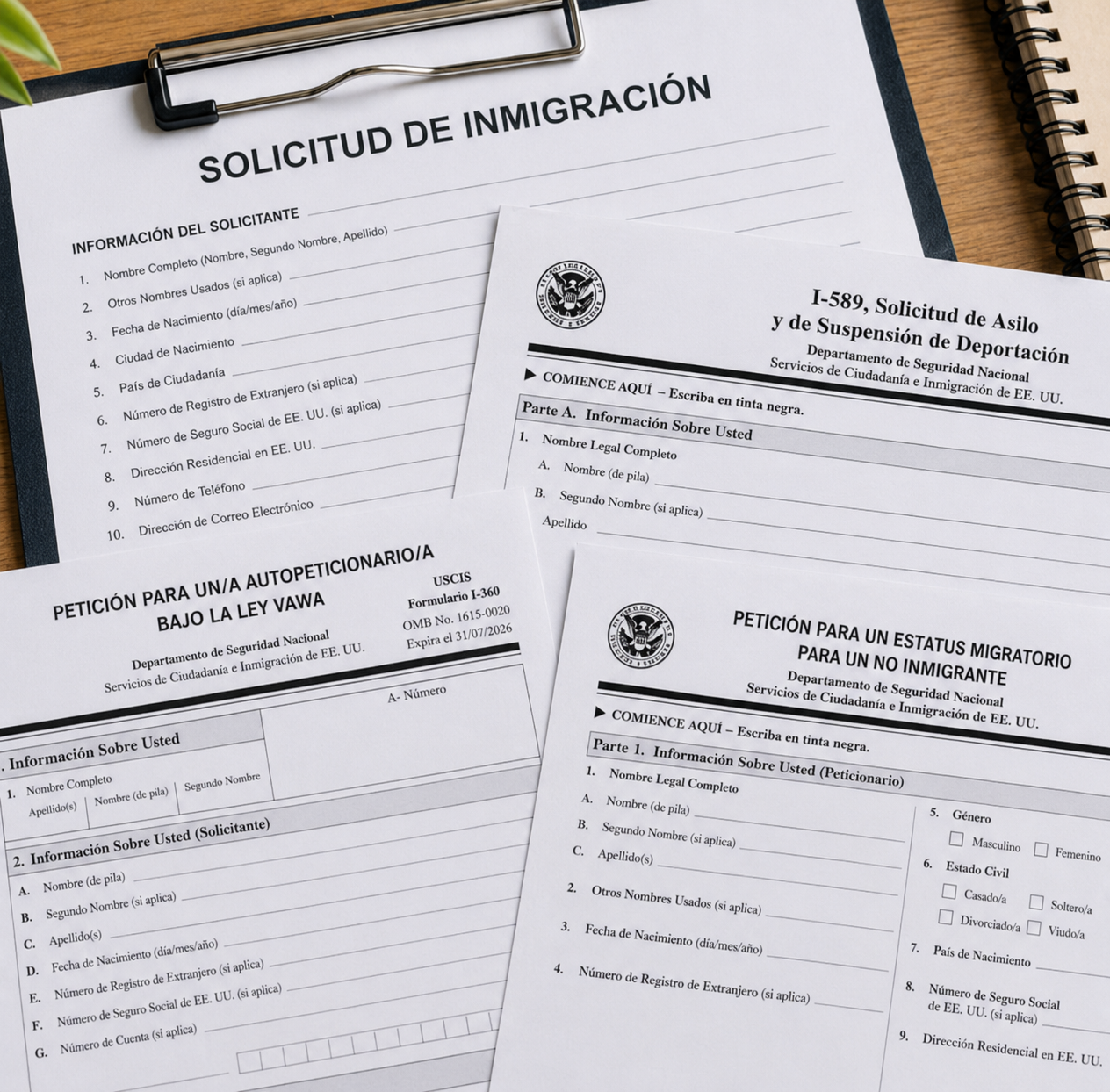
Visas WAVA y U con un psicoterapeuta que hable tu idioma
Este blog explica el propósito y el proceso de las evaluaciones psicológicas para casos migratorios de VAWA y Visa U. Describe cómo las evaluaciones informadas por el trauma ayudan a documentar el impacto emocional y psicológico del abuso, la violencia y la victimización, además de explicar qué pueden esperar los clientes durante el proceso, incluyendo entrevistas clínicas, evaluaciones psicológicas, redacción de reportes y colaboración con abogados de inmigración.
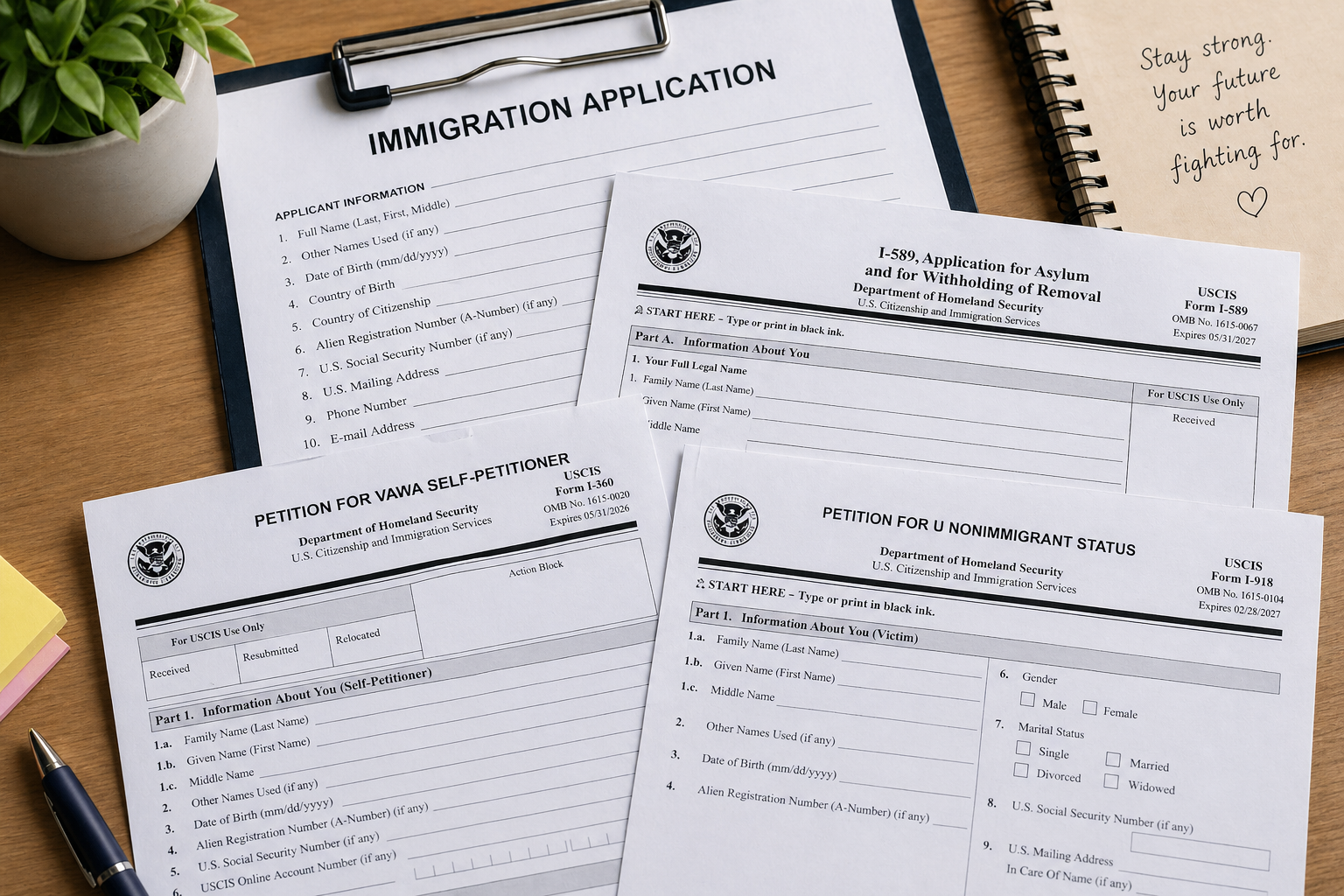
Immigration Visas with a Psychotherapist that speaks your language
The immigration interview is a high-stakes and emotionally intense step, especially for individuals applying under protections like VAWA, U visas, T visas, and asylum. These processes often require survivors to revisit painful experiences such as abuse, violence, trafficking, or persecution, which can trigger anxiety, fear, and trauma responses.
Working with a therapist who understands the immigrant experience provides critical emotional support during this time. A culturally informed, trauma-aware therapist can help individuals prepare not only for the questions they may face, but also for managing the emotional impact of sharing their story.

Listening to Anxiety and Depression Through the Body: The Mind/Heart Connection
Anxiety and depression, from a somatic therapy perspective, are not problems to eliminate but signals from the body indicating imbalance or unmet needs. Rather than suppressing these states, somatic therapy emphasizes listening to them with curiosity.

My thoughts on belonging to the American experiment as a First-Generation Immigrant living
What we witness socially is often a projection of what remains unresolved psychologically. Meaningful change, therefore, requires more than policy shifts; it calls for internal healing. It asks us to cultivate empathy and courageously explore the hidden parts of ourselves that shape how we relate to others.

What Is Shadow Work? Understanding the Parts of Yourself You’ve Been Avoiding
Shadow work is the practice of exploring the hidden or rejected parts of yourself—often referred to as the “shadow.” The term comes from psychologist Carl Jung, who described the shadow as the aspects of our personality we push out of conscious awareness because they feel unacceptable, shameful, or unsafe.

How Online Psychoanalysis and Parts Work Can Help You Improve Your Life
How Depth Psychology can help you get to know the “different parts of you.”

Make Room for Growth
I hope that in 2026, I can help you fulfill your goal of exploring who you are and what gives meaning to your life in times of stress.